

Having a healthcare professional come to your house to assist with your needs can relieve a lot of added stress on you to keep track of your treatment plan alone. Since nutritional deficiencies are partly to blame for alcoholic neuropathy. To combat these deficiencies, supplementation with vitamin B12, folate, vitamin E, and thiamine may be recommended.
Physical Signs You’re Drinking Too Much
- This can lead to inflammation and an increase in scar tissue, which can seriously impact your liver’s ability to function as it should.
- If the alcoholic liver disease is not treated, it can progress to later stages which include alcoholic hepatitis and cirrhosis, a scarring of the liver.
- Reducing weight if you’re overweight, eating a healthy diet, and regular exercise can help someone with early ALD who has stopped drinking decrease their risk of advanced liver disease.
- This usually takes about 2 weeks, but many will heal sooner than that.
- In this case, you should go see your doctor to find out what’s going on.
If you’re concerned about bruising, talk to your doctor about other possible causes. While treating AUD and quitting alcohol should help many skin conditions clear, a person may need to continue treating other underlying conditions, such as liver disease. Treatments will vary based on the condition, so a person should speak with a doctor about the best treatment options for them. However, according to the American Academy of Dermatology Association, drinking alcohol can increase a person’s risk of developing it.
How to Get Rid of Bruises
The CDC defines binge drinking as drinking that brings your blood alcohol concentration (BAC) to 0.08% or more. This is usually achieved if you consume five or more standard drinks on a single occasion for men or four or more drinks on a single occasion for women. The typical recommendation is to stick to 1-2 drinks per hour. I consider myself to be an advocate for the addicted population.
Other Causes of Alcoholic Face
Alcoholic face is a series of obvious facial changes from excessive alcohol use. A red face, puffiness, and changes in the look and feel of your skin are all physical signs of too much alcohol. Alcoholic face is a broad way alcohol and bruising to describe facial changes from excessive drinking.
Early symptoms
Most bruises eventually disappear as the body reabsorbs the blood, although healing might take longer as you age. Watching for physical signs of alcoholism or alcoholic face is easier when you know you or a loved one have been drinking too much. You can’t assume the same about everyone you see with a red or puffy face. They can make it harder for your body to produce collagen, a key component of healthy skin cycles, and for your skin to heal after any kind of trauma. Persistent skin sores and skin infections are more common in people with weakened immune systems.
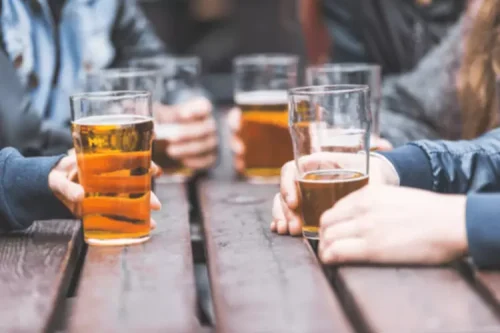

Binge drinking, which includes consuming a large quantity of alcohol in a short period, may be harmful to our health. It’s important to understand the consequences of binge drinking, which include an increased chance of alcohol bruising on arms and legs and other major and minor health issues. We may prioritize our health and well-being by being careful of our alcohol use and avoiding binge drinking. Avoiding excessive amounts of alcohol is the primary way to prevent alcoholic neuropathy.
Sleep disruption
More significant changes in skin tone or a yellowing skin tone could be a sign of jaundice and progressing liver damage or hepatitis. Indulging in too many alcoholic drinks can result in dull, tired-looking skin. This is mostly due to the way alcohol affects collagen production and triggers inflammation within the body. A lack of sleep thanks to alcohol use can also contribute to skin problems like itchy skin, rashes, and acne breakouts, and a weakened immune system. Changes to your immune system don’t just put you at risk for chronic health issues.
Health Benefits of Not Drinking Alcohol Backed By Science
However, even a mild disorder can escalate and lead to serious problems, so early treatment is important. This disorder also involves having to drink more to get the same effect or having withdrawal symptoms when you rapidly decrease or stop drinking. Alcohol use disorder includes a level of drinking that’s sometimes called alcoholism. If you’re experiencing alcohol symptoms like easy bruising, or you simply want to break free from alcohol misuse, Confidant is here to help. We provide online medication assisted treatment for alcohol use, so you can begin your recovery from home.